➡️ INTRODUCTION
→ Classroom culture varies widely across countries, reflecting local values, educational philosophies, and social expectations. How students interact with teachers, participate in discussions, or even sit in the classroom can influence learning outcomes and personal development. Understanding these differences is valuable for students, educators, and travelers who want to appreciate global educational practices. By exploring classroom norms, participation styles, and teacher-student relationships, readers can gain practical insights into effective learning strategies, cultural etiquette, and communication methods. Learning about classroom culture also helps prepare students for international education, improves teaching approaches, and fosters respect for diverse learning environments worldwide.
➡️ Key Points / Benefits
→ Understanding classroom culture improves academic success in international settings.
→ Helps students adapt smoothly to new educational environments.
→ Enhances cross-cultural communication skills between teachers and learners.
→ Promotes respect for different teaching styles and student behavior.
→ Provides insights into classroom etiquette and participation norms.
→ Encourages educators to adopt inclusive and culturally aware strategies.
🔵 1️⃣ → Classroom Organization and Layout
→ Classroom setup reflects teaching methods and learning priorities.
- Western countries: Rows or group tables encourage collaboration, discussion, and peer learning. Students are often encouraged to ask questions freely.
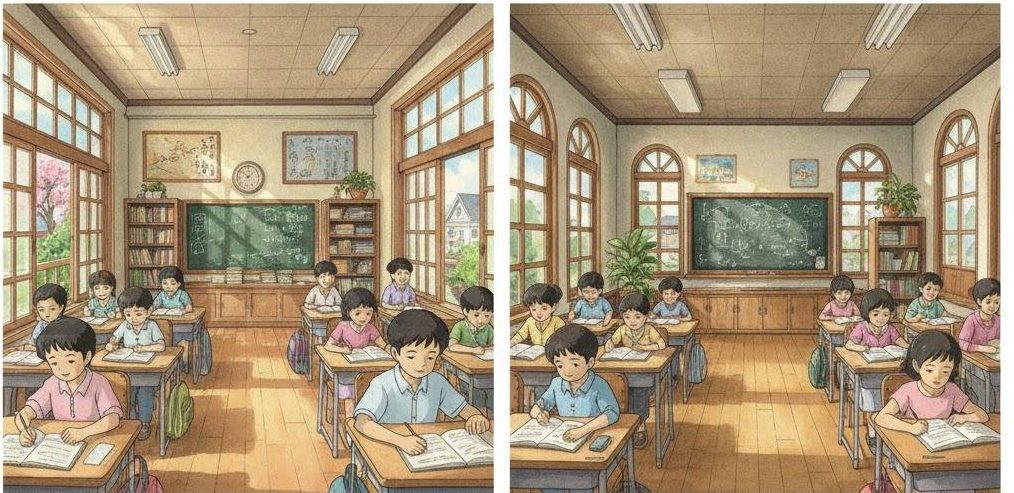
- Asian countries: Traditional layouts often feature rows facing the teacher, emphasizing respect, discipline, and focused attention.
- Flexible classrooms: Many modern schools worldwide use modular seating, allowing students to rearrange desks for projects or group work.
Practical tip: Observing classroom organization helps students understand expected behavior and participation style. Adapting to the physical and social layout promotes comfort and engagement.
🔵 2️⃣ → Teacher-Student Interaction
→ Relationships between teachers and students differ based on cultural expectations.
- United States & Europe: Teachers are approachable, encouraging debate, critical thinking, and feedback. First names are sometimes used.
- Japan & South Korea: Teachers are highly respected figures; formal address and politeness are essential. Direct questioning may be limited to specific contexts.
- Middle East & Africa: Teacher authority is respected, but modern schools often blend tradition with interactive learning.
Tip: Understanding these interaction norms helps students communicate appropriately, ask questions confidently, and avoid misunderstandings in diverse classrooms.
🔵 3️⃣ → Participation and Classroom Behavior
→ Participation norms vary widely and can affect engagement and grading.
- Active participation: Common in Western schools, students raise hands, share opinions, and debate.
- Observational learning: Common in parts of Asia, students may listen quietly, take notes, and reflect internally before contributing.
- Collaborative projects: In many countries, teamwork and group discussions are integral, promoting social skills and peer learning.
Actionable advice: Adapt behavior to the local style—be respectful of quiet reflection or enthusiastic discussion depending on the cultural context.
🔵 4️⃣ → Use of Technology and Resources
→ Technology integration can reflect a country’s educational approach.
- Digital classrooms: Some countries emphasize laptops, tablets, and online resources to support active learning.
- Traditional methods: Chalkboards, printed materials, and lectures remain prevalent in certain regions.
- Blended learning: Combining digital tools with teacher-led instruction enhances comprehension and participation.
Practical tip: Familiarize yourself with the tools used in the classroom, follow instructions carefully, and use resources responsibly to improve learning outcomes and show cultural awareness.
🔵 5️⃣ → Assessment and Feedback Practices
→ Evaluation methods influence student behavior and motivation.
- Formative assessments: Quizzes, classwork, and participation are common in Western countries to monitor progress.
- Summative assessments: Exams, essays, or final tests may dominate in Asia, emphasizing memorization and mastery of content.
- Feedback culture: Immediate feedback encourages growth, while delayed feedback reflects reflection and careful evaluation.
Dos & don’ts: Respect grading systems, understand deadlines, and respond politely to feedback. Adapting to assessment norms ensures academic success and maintains cultural respect.
➡️ CONCLUSION
→ Classroom culture shapes how students learn, interact, and succeed academically. By understanding classroom layouts, teacher-student interactions, participation norms, technology use, and assessment practices, students and educators can navigate educational environments with confidence. Observing and adapting to these cultural differences promotes respect, engagement, and effective learning. Whether preparing for international education, teaching abroad, or simply understanding global education practices, awareness of classroom culture fosters academic growth, social harmony, and a deeper appreciation for diverse learning environments. Following these practices helps create a positive, productive, and culturally sensitive educational experience.