Introduction
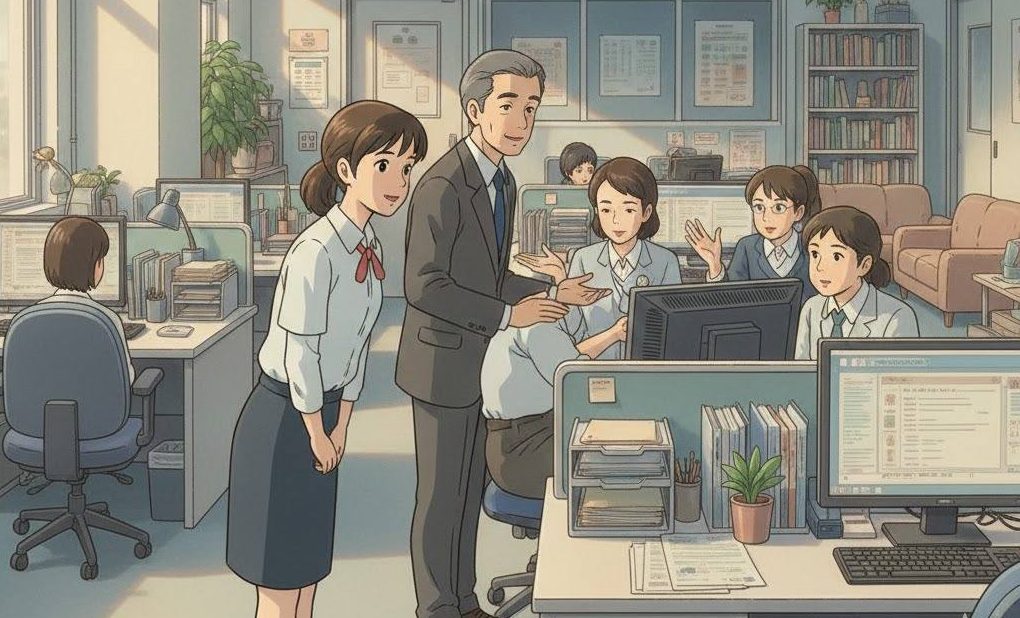
Office etiquette refers to the unwritten rules that guide professional behavior in the workplace. These rules shape how employees communicate, dress, interact with colleagues, and handle daily responsibilities. While many people assume office etiquette is universal, it actually varies greatly across countries and cultures. What is considered polite, professional, or respectful in one workplace may be seen differently in another. As businesses become more global and remote work connects teams across borders, understanding office etiquette rules around the world is increasingly important. Awareness of these differences helps prevent misunderstandings, improves teamwork, and creates a more respectful and productive work environment for everyone involved.
What Is Office Etiquette and Why It Matters
Office etiquette includes the behaviors and manners expected in professional settings. These expectations are often influenced by cultural values and social norms.
Office etiquette matters because it helps:
- Maintain respectful relationships at work
- Create a comfortable and professional environment
- Support clear and effective communication
- Reduce workplace misunderstandings
Following local office etiquette shows awareness and respect for colleagues. It also helps build trust and positive working relationships in both local and international workplaces.
Communication Etiquette in the Workplace
Communication styles differ widely across cultures, and office etiquette reflects these differences.
Verbal Communication
In some cultures, employees are encouraged to speak openly and share ideas directly. In others, communication is more reserved and polite, with an emphasis on listening carefully.
Key differences may include:
- How directly feedback is given
- The level of formality in speech
- Whether silence is seen as positive or negative
Understanding these styles helps employees communicate respectfully and effectively.
Non-Verbal Communication
Non-verbal behavior also plays an important role in office etiquette.
Examples include:
- Appropriate eye contact during conversations
- Respectful body language and posture
- Awareness of personal space
These cues can influence how messages are received, even without words.
Professional Behavior and Workplace Conduct
Daily workplace behavior reflects cultural expectations about professionalism.
Punctuality and Time Management
In some cultures, being on time is essential and shows respect. Meetings start as scheduled, and deadlines are strictly followed.
In other cultures, time may be more flexible, and relationship-building is given priority. Understanding local expectations helps avoid frustration and confusion.
Dress Code and Appearance
Office dress codes vary across countries and industries.
- Some workplaces expect formal business attire
- Others allow more casual or relaxed clothing
Dressing appropriately shows respect for workplace norms and professional standards.
Hierarchy, Respect, and Authority
Office etiquette is closely connected to how cultures view hierarchy and leadership.
Respect for Seniority
In some cultures, seniority and job titles are very important. Employees may wait for managers to speak first or make decisions.
In other workplaces, hierarchy is less formal, and open discussion is encouraged across levels.
Decision-Making Styles
Decision-making can also reflect cultural etiquette.
- Some cultures prefer decisions made by leaders
- Others value group discussion and shared input
Understanding these preferences helps employees participate appropriately.
Office Relationships and Social Interaction
Social interaction at work follows cultural boundaries and expectations.
Teamwork and Collaboration
Some cultures emphasize teamwork and group harmony. Others focus more on individual responsibility and independence.
Both approaches value productivity but express it differently.
Social Boundaries at Work
Office etiquette also defines how personal and professional lives are separated.
Examples include:
- Acceptable topics of conversation
- Levels of formality during breaks
- How colleagues address one another
Respecting these boundaries helps maintain professionalism.
Adapting to Office Etiquette in Different Countries
Adapting to different office etiquette rules requires awareness and flexibility.
Helpful tips include:
- Observing how colleagues behave
- Asking polite questions when unsure
- Being patient and open to learning
- Respecting differences without judgment
Adapting does not mean changing personal values. It means showing respect for local workplace norms.
Conclusion
Office etiquette rules around the world reflect cultural values related to respect, communication, and professionalism. Differences in communication style, punctuality, dress code, hierarchy, and social interaction shape how workplaces function in different countries. Understanding these variations helps employees work more effectively in international and multicultural environments. By observing, learning, and adapting thoughtfully, individuals can build strong professional relationships and contribute positively to any workplace. In a globalized world, cultural awareness and respectful behavior are key to creating productive and harmonious work environments across borders.